Side Effects of Biomagnetic Pair
This post explains common, uncommon, and expected short-term effects after a biomagnetic pair therapy session, for beginners and new practitioners. We cover why side effects happen, how long they typically last, simple steps to support recovery, when to contact a practitioner, and how to distinguish normal reactions from signs that need attention. Use this as a practical guide whether you are a new learner, a client, or a practitioner preparing clients for sessions.
Biomagnetism: What is it &why Side effects happen
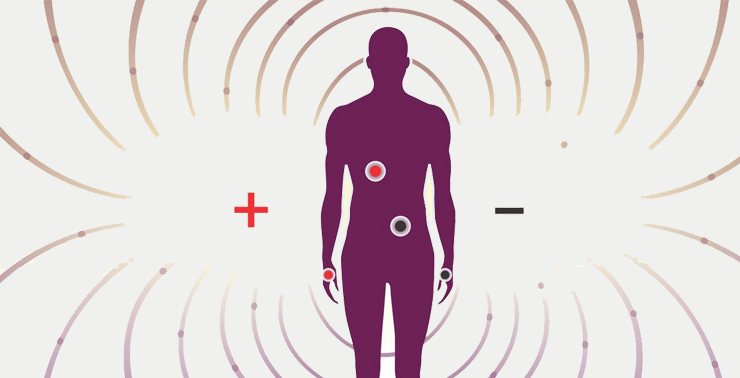
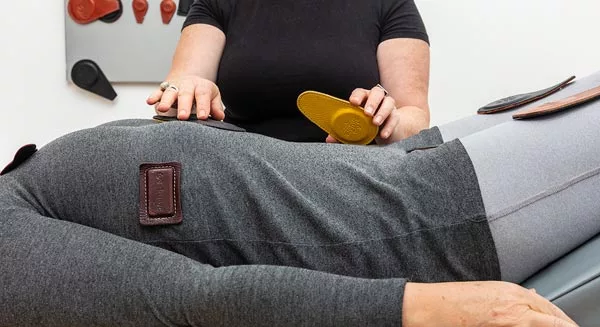
With just about any therapy or wellness practice, there are bound to be some side effects. This is true for Biomagnetic Pair therapy too. Although it is considered a safe and non-invasive complementary therapy, it, like most therapies, can have side effects. This post talks about the different possible side effects of Biomagnetic Pair therapy. Biomagnetic pair therapy uses strategically placed magnets to encourage balance in the body’s pH, circulation, and energetic patterns. Because it affects physiological and energetic systems, short-term reactions are common as the body adjusts. Reactions are usually mild, temporary, and a sign the body is responding to the treatment.
Common short-term reactions
- Mild fatigue or sleepiness. Many clients feel tired or want to rest after a session.
- Temporary aches or soreness. Slight muscle or joint soreness near magnet placement can occur for 24–72 hours.
- Headache or lightheadedness. Short-lived headaches or lightheaded feelings sometimes follow a session.
- Emotional release. Brief mood shifts, tearfulness, or feeling lighter emotionally are common.
- Increased urination or bowel changes. Gentle shifts in elimination as the body clears metabolites are normal.
- Changes in sleep patterns. Some people sleep deeper or notice altered dream patterns for a few nights.
Less common but possible effects
- Flare-ups of existing symptoms.
- Temporary intensification of pain, skin reactions, or other symptoms may appear before they improve.
- Mild dizziness or nausea. Usually short-lived and manageable with rest and hydration.
- Local skin sensitivity. Redness or tenderness at magnet sites is possible but typically resolves quickly.
- Allergic-type reactions. Rare irritation from adhesive or metal sensitivity; remove magnets and treat skin gently if this happens.
Why these reactions are usually not dangerous
These responses reflect the body adjusting to shifts in circulation, local tissue response, and energetic rebalancing. For most people they are self-limiting and part of the healing process rather than a complication. Clear communication between client and practitioner helps set expectations and reduces anxiety when reactions appear.
Practical self-care after a session
- Rest and gentle movement. Allow quiet rest for a few hours, then resume gentle walking or stretching.
- Hydrate. Drink water to support detoxification and circulation.
- Apply warmth if helpful. A warm compress can ease local soreness; avoid intense heat directly over magnets while they’re attached.
- Use gentle skin care. If adhesives were used, clean skin with mild soap and avoid harsh rubbing.
- Track symptoms. Use a simple symptom tracker to note changes for 72 hours; this helps you and your practitioner see patterns.
- Support digestion. Light meals and easily digestible foods for 24 hours can reduce nausea or discomfort.
Red flags — when to contact a practitioner or seek medical care
- Symptoms that worsen rapidly instead of improving.
- New, severe pain or swelling at magnet sites.
- Signs of infection: spreading redness, warmth, fever, or pus.
- Severe dizziness, fainting, chest pain, or breathing difficulty.
- Any allergic reaction that progresses beyond mild redness.
If any of these occur, remove the magnets, document the reaction, and contact your practitioner or a medical professional.
How practitioners can prepare and inform clients
- Provide a clear pre-session handout listing expected reactions and aftercare steps.
- Offer a short symptom tracker or post-session checklist the client can use at home.
- Schedule brief follow-up communication within 24–72 hours to check progress.
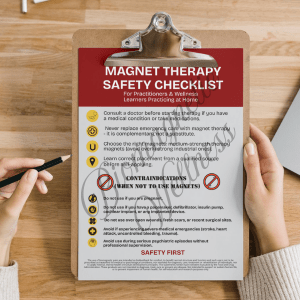
- Screen for metal sensitivities, pacemakers, or contraindicated conditions during intake.
Conclusion
Side effects after biomagnetic pair therapy are usually mild, temporary, and manageable with simple aftercare like rest, hydration, and symptom tracking. Clear pre-session education and open follow-up between practitioner and client make the healing process safer and less stressful. If reactions are severe, worsening, or show signs of infection, remove magnets and contact a practitioner or medical professional immediately